
The Rise of Digital Oral Care: Smarter Tools for Better Dental Health Outcomes
Dii
June 10, 2026

The landscape of Australian oral health is undergoing a profound transformation as we move through 2026. While traditional check-ups remain the cornerstone of dental hygiene, a new era of digital integration is helping Australians bridge the gap between biannual clinic visits and daily home care. With tooth decay remaining one of the nation’s most prevalent health concerns, the shift toward “smart” dentistry is not merely a matter of convenience; it is a vital evolution in preventative medicine that aims to reduce the long-term burden on the healthcare system.
The most visible change in the domestic sphere is the rapid adoption of Artificial Intelligence (AI) within oral hygiene tools. Modern electric toothbrushes have evolved from simple oscillating devices into sophisticated biometric monitors. Equipped with pressure sensors and bone-conduction technology, these tools provide real-time haptic and audio feedback to ensure users do not cause enamel abrasion or gum recession through over-brushing.
In Australia, where recent data indicates that nearly half of school-aged children and a significant portion of adults struggle with consistent brushing techniques, these devices act as a “virtual coach.” By syncing with smartphone applications, they create high-definition maps of the oral cavity, highlighting neglected quadrants and tracking plaque-reduction trends over months rather than days.
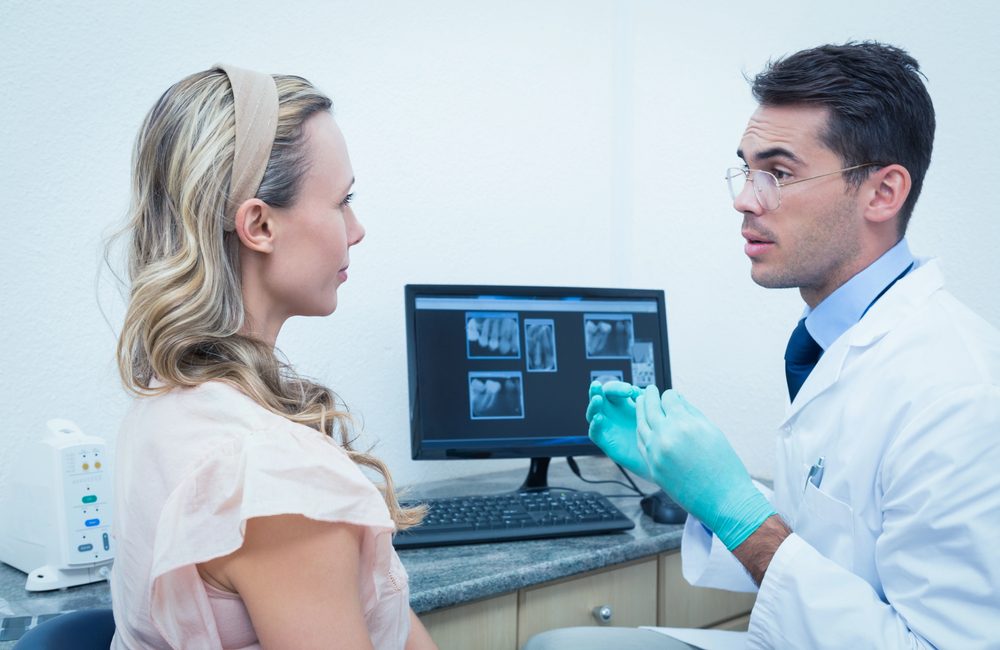
Digital oral care extends far beyond the bathroom vanity and into modern Australian dental surgery. The integration of 3D intraoral scanners has largely replaced the uncomfortable silicone impressions of the past, allowing for a seamless digital workflow. This precision is particularly beneficial for cosmetic and restorative procedures. For those seeking to revitalise their smile, achieving natural-looking results with professional teeth whitening services is now managed through digital shade-matching technology. This ensures that the whitening process is calibrated to the patient’s unique enamel tone, avoiding the artificial “ultra-white” look and instead opting for a luminosity that complements the individual’s facial features.
As Australia grapples with the geographical challenges of providing care to rural and remote communities, teledentistry has emerged as a critical tool. High-resolution intraoral cameras now allow patients to share real-time images with their clinicians via secure platforms. This “remote triage” capability means that potential issues, such as early-stage gingivitis or suspicious lesions, can be identified without the need for immediate travel. For the elderly or those with mobility issues, this digital touchpoint ensures that the “out of sight, out of mind” mentality regarding dental health is effectively dismantled.
The true power of digital oral care lies in its ability to shift the focus from reactive “drill and fill” dentistry to proactive management. By aggregating data from smart devices, dentists can now spot patterns—such as increased nocturnal grinding (bruxism) or localised inflammation—before they manifest as physical pain or structural damage. This data-driven approach allows for highly personalised preventative plans, where fluoride treatments, dietary advice, and cleaning schedules are tailored to the specific risk profile of the patient.
Parallel to the digital revolution is the use of regenerative technology in modern materials. We are seeing the introduction of bioactive fillers and “smart” composites that do more than just plug a cavity; they interact with the tooth structure to encourage remineralisation. This synergy between digital diagnostic precision and regenerative material science represents the current frontier of the industry, promising a future where the natural tooth structure is preserved for longer than ever before.
As these technologies become more accessible across Australia, the goal of “a healthy smile for life” is moving from a hopeful slogan to a measurable reality. The digital tools of 2026 are not just gadgets; they are the essential infrastructure for a new standard of dental excellence.

